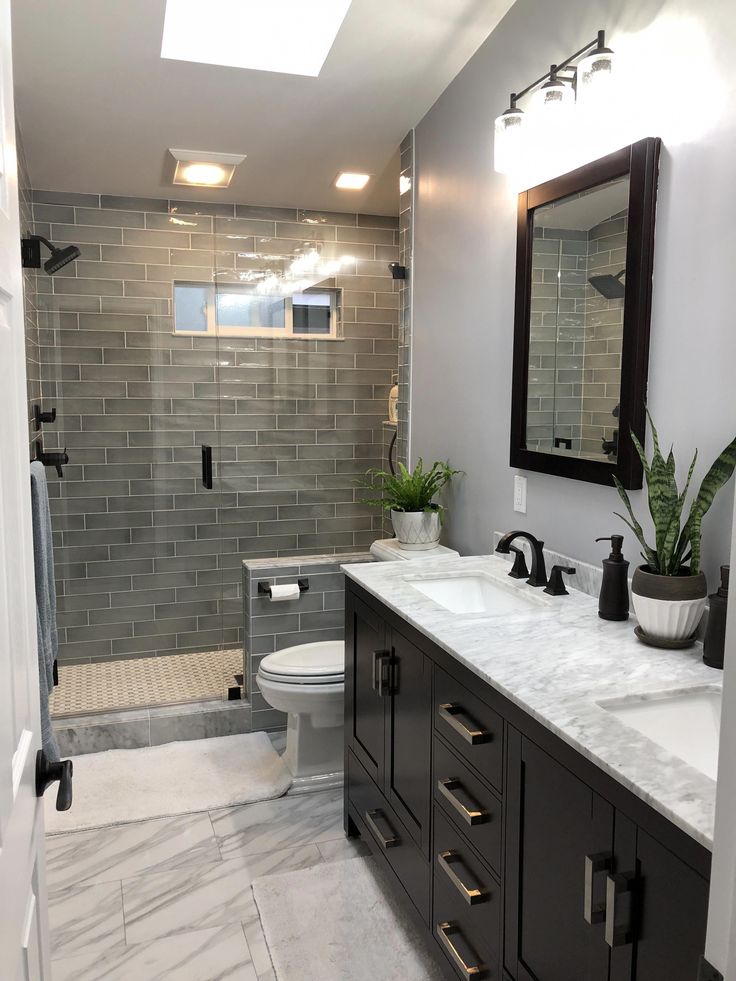
Transforming a bathroom into a personal oasis requires careful planning and consideration. Homeowners must first assess their needs and goals, setting a realistic budget to guide their choices.
The selection of style, materials, and layout plays a significant role in the overall outcome. Professionals can offer valuable insights, but DIY enthusiasts may find satisfaction in taking on the challenge themselves.
Understanding each step can lead to a remarkable transformation, but where does one begin the journey?
When starting on a bathroom remodel, how can homeowners effectively assess their needs and goals? First, they should evaluate the current state of their bathroom, identifying any functional shortcomings or aesthetic desires. It is essential to reflect on the lifestyles of all household members; for instance, families with children may prioritize durability and safety features, while individuals might seek relaxation elements like a soaking tub.
Next, homeowners should compile a list of must-haves versus nice-to-haves, ensuring that essential features take precedence. They should think about storage solutions as well, determining whether additional cabinetry or shelving is necessary for organization.
Finally, consulting with professionals can provide insights into potential design solutions and innovative ideas. This thorough assessment lays the groundwork for a successful remodel, aligning the project with the homeowners' vision and practical needs. By thoroughly evaluating these aspects, homeowners can create a space that is both functional and reflective of their personal style.
Establishing a realistic budget for a bathroom remodel is vital, as it lays the foundation for the entire project. Homeowners should begin by examining the overall costs, which typically include materials, labor, permits, and unexpected expenses.
Gathering estimates from multiple contractors can provide insight into labor costs and help identify potential savings. Additionally, researching material prices, such as tiles, fixtures, and cabinetry, will aid in creating an extensive budget.
It is important to factor in a contingency fund, generally around 10-15% of the total budget, to accommodate unforeseen issues. By evaluating these elements, homeowners can determine a feasible budget that aligns with their vision while avoiding financial strain during the remodeling process.
After determining overall costs, homeowners should focus on identifying and prioritizing the features that matter most in their bathroom remodel. Essential features typically include functional elements such as vanities, toilets, and showers, which directly impact daily use.
Homeowners should evaluate their lifestyle needs, considering factors like family size and personal preferences. For instance, a growing family might prioritize additional storage or a double sink, while others may focus on luxury items like a soaking tub.
Establishing a list of must-haves versus nice-to-haves is vital, as it allows for informed decision-making within budget constraints. By focusing on essential features, homeowners can guarantee that their remodel enhances both functionality and enjoyment, ultimately leading to a successful transformation.
How can one effectively choose the right style and design for a bathroom remodel? The process begins with identifying personal preferences and the overall aesthetic of the home. Popular styles include modern, traditional, farmhouse, and minimalist, each offering distinct elements that appeal to different tastes.
It is essential to take into account functionality alongside aesthetics; for example, a sleek modern design might prioritize space-saving solutions, while a traditional style may focus on classic fixtures. Next, a cohesive color palette should be selected, ensuring that hues complement the existing decor.
Lighting also plays a significant role, as it can enhance the chosen style and create a welcoming ambiance. Additionally, taking into account the bathroom's size is important; larger spaces may accommodate elaborate designs, while smaller bathrooms benefit from streamlined choices. Ultimately, the right style and design should reflect the homeowner's personality while ensuring practicality and comfort in daily use.

Although selecting materials and fixtures for a bathroom remodel may seem overwhelming, focusing on durability can simplify the process. Homeowners should prioritize materials that withstand moisture and wear, ensuring longevity and reducing maintenance.
For flooring, options like porcelain tile and vinyl are excellent choices due to their water resistance and durability. When it comes to countertops, granite and quartz offer both elegance and resilience, resisting stains and scratches effectively.
Additionally, selecting stainless steel for fixtures enhances durability and resists corrosion. It is also advisable to evaluate high-quality cabinetry made from solid wood or moisture-resistant materials. By thoughtfully choosing durable materials, homeowners can create a bathroom that not only looks beautiful but also stands the test of time.
Selecting the right fixtures for a bathroom remodel is vital, as they not only influence the room's aesthetic appeal but also its functionality. When choosing fixtures, homeowners should consider various styles, including contemporary, traditional, and adaptive designs, to guarantee cohesion with the overall theme of the space.
Material selection is equally important; options like chrome, brushed nickel, or matte black can greatly impact the visual tone. Additionally, energy-efficient fixtures, such as low-flow faucets and LED lighting, contribute to sustainability while reducing utility costs.
Comfort and usability should also be prioritized, especially in selecting items like toilets and vanities. Ultimately, a thoughtful selection of fixtures enhances both the beauty and practicality of the bathroom, creating a harmonious and inviting environment.